How We Work
From idea to finished creative.
Five steps, the same on every project. This page sets out what happens at each one — who does what, what we send you, and what we need back before the next step can start.

Understand
We understand what you're trying to communicate, who it's for and what success looks like.
A first call, usually 30 to 45 minutes, and a short written brief back to you afterwards. We ask what the content is for, where it will be published, who signs it off and what the deadline is fixed by. If you already have a brief, a deck or a campaign plan, we work from that rather than starting a new one. Two to three working days from the call to the written brief, and nothing goes into production until you confirm it reads correctly.
What we need from you
- One call with whoever will sign the work off
- Any brand guidelines, logos and fonts you already hold
- The deadline, and what it is fixed by
What you get
- A written brief: what we are making, for which platform, and by when
- A scope list naming every asset, its format and its length
Create
We develop the concept, script, design direction or production approach.
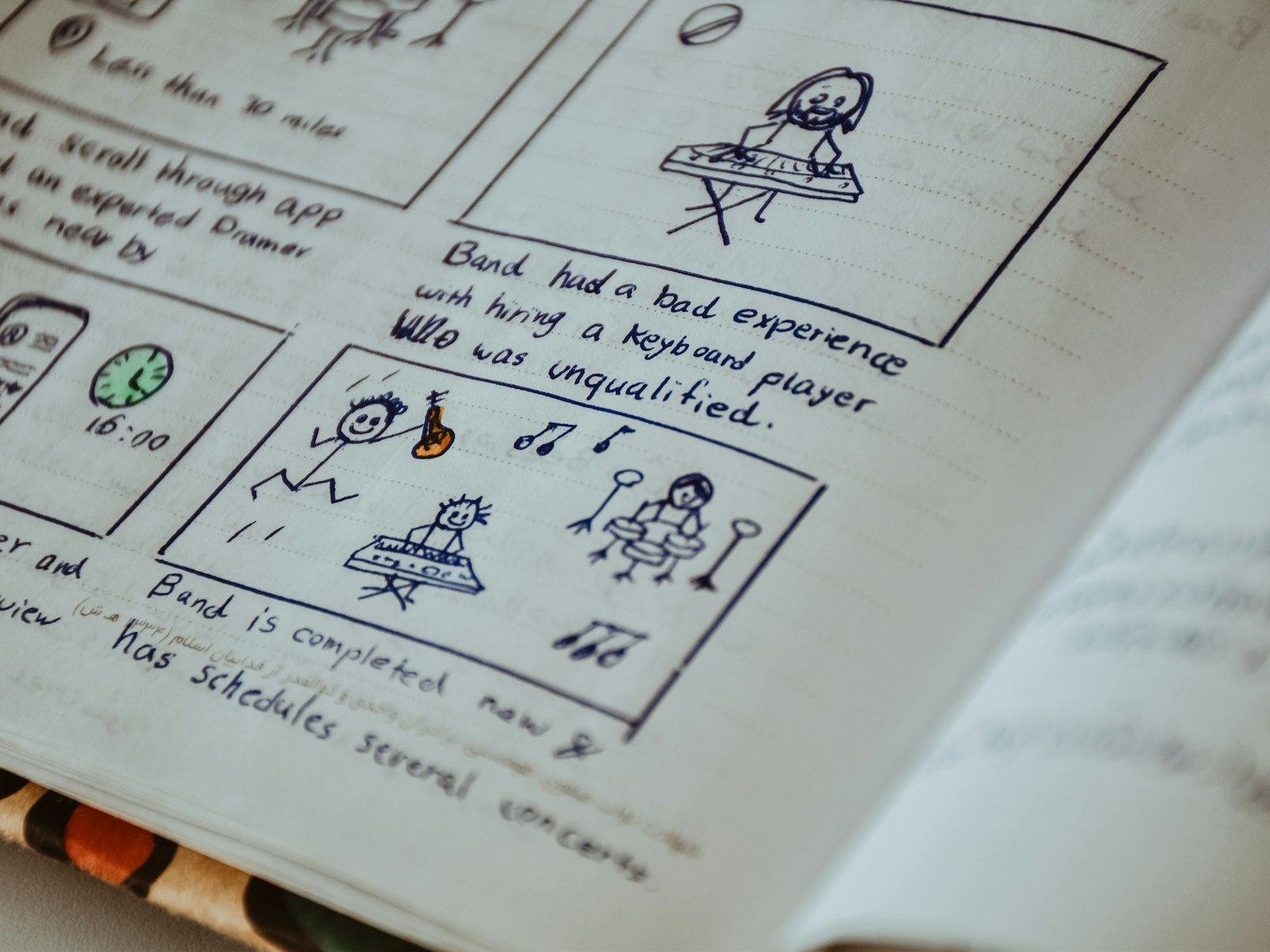
We turn the brief into something you can react to before production starts — a script, a design direction, a storyboard or a shot list, depending on what is being made. You see it as a document or a set of sample frames, not as a finished piece, because changing direction here costs an email and changing it after production costs a re-edit. Three to five working days. One round of changes at this stage is included and expected.
What we need from you
- Feedback on the direction as one consolidated response
- Product details, copy points or source material the script has to carry
- A named approver for the script or design direction
What you get
- A script, storyboard or design direction document
- Sample frames or layouts for anything visual
- A production schedule with the delivery date on it
Produce
Our team combines creative tools, AI and human production expertise to build the content.
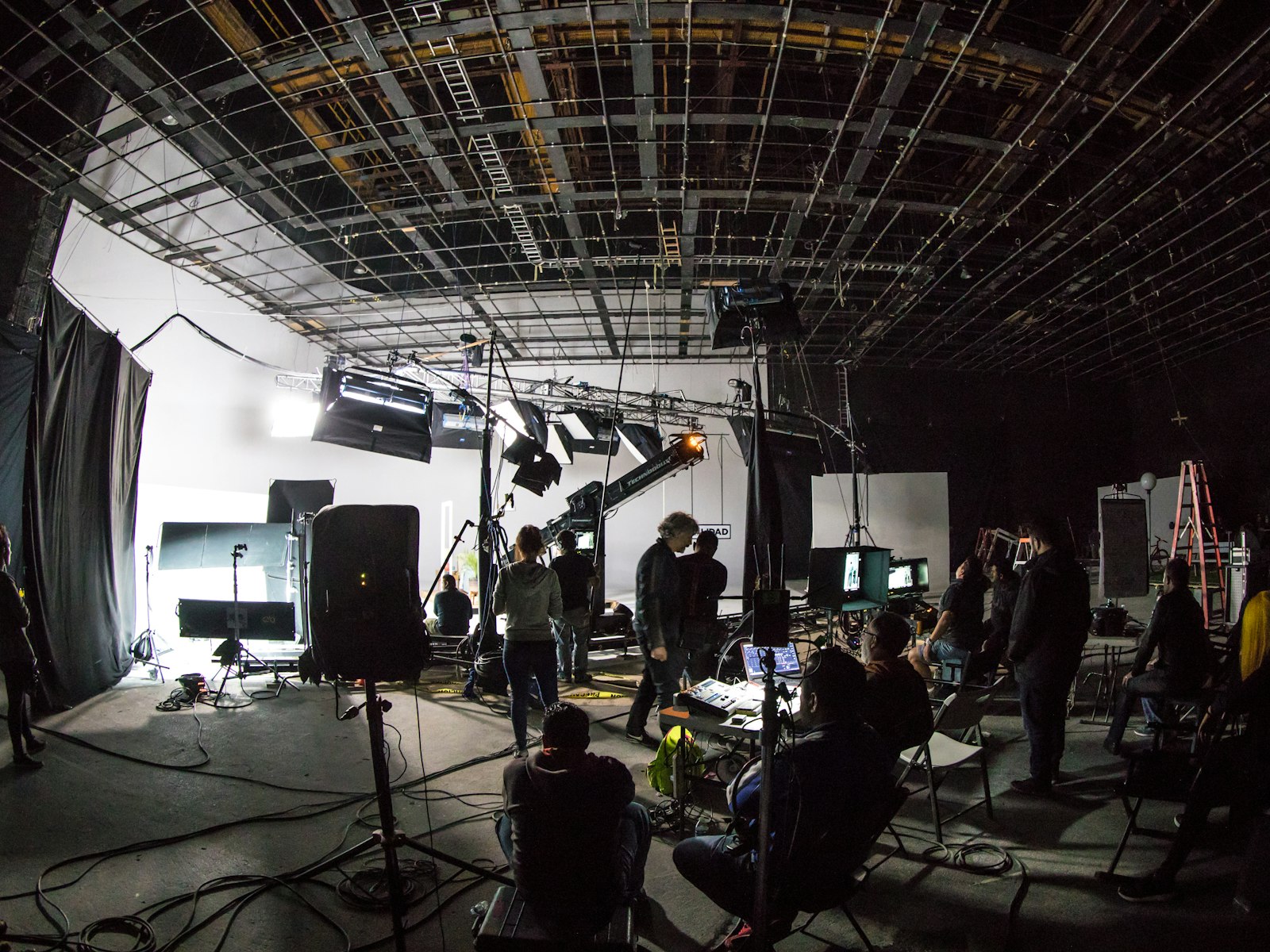
The build. Filming or footage assembly, design, AI generation where it is the right tool, editing, grading, voice and sound. You are not in this step day to day — it runs to the schedule agreed at the end of Create, and it takes anywhere from three days for a set of social cuts to three weeks for a training series. If something in the brief turns out not to work in production, we tell you during this step rather than at the review.
What we need from you
- Raw footage, product samples or file access, where the work uses yours
- Sign-off on the script, so production is not rebuilt half way through
- A named contact we can reach for a same-day answer
What you get
- A first cut or first draft, watermarked, for review
- A note of anything in the brief we changed, and why

Refine
We review, refine and incorporate feedback within the agreed scope.
You review the first cut and send comments. We work through them and send a revised version. Two rounds are included in a standard scope, and a round means one consolidated set of comments from you answered by one revised version from us — one to two working days each. Comments that add an asset, a language or a format are not revisions. They are new scope, and we say so and quote for them rather than absorbing them quietly.
What we need from you
- Comments consolidated into one list, with timecodes for video
- Every reviewer's input gathered before you send it, not one after another
- A decision from you where two reviewers disagree
What you get
- A revised version per round, with a note of what changed
- A straight answer on anything we think falls outside the agreed scope

Deliver
You receive polished, platform-ready creative assets.
Final files, in every format the brief named, with no watermark. Video goes out as platform-ready exports at the agreed aspect ratios with separate caption files; design goes out as editable source files alongside flattened exports. You get a download link that stays live for 90 days, and we keep the project files for twelve months, so a later edit does not start from nothing.
What we need from you
- Confirmation that the final version is approved
- Where to deliver: a link, a shared drive, or your own asset library
What you get
- Final assets in every format and aspect ratio the brief listed
- Editable source files, and separate caption files for video
- A download link live for 90 days, and project files archived for twelve months
In practice
One project, through all five steps.
Illustrative. This walks a planned piece through the five steps to show what each one produces. The piece has not been made and the client described is not a real one.
UGC Transformation
Raw footage → finished professional content.
Understand
A skincare brand has 40 clips filmed by three creators on their phones, and wants a month of Instagram Reels out of them. The call settles the platform, the posting cadence and who approves — one marketing lead, not a committee. The written brief names twelve Reels at 9:16, captioned, set in the brand's own fonts.
Create
We watch all 40 clips and come back with a cut plan: which clip carries which message, three opening variants to test, and a caption and end-card treatment. The brand changes two of the openings. That is the whole Create round.
Produce
Twelve cuts assembled from the approved plan — trimmed, colour-matched across three different phone cameras, captioned, with music and an end card. Two clips turn out to be unusable at 9:16, so we say so during production and substitute from the same shoot.
Refine
One consolidated comment list: caption timing on four clips, a music swap on two, and a request for a fifteen-second version of the best performer. The first two are revisions. The fifteen-second version is a new asset, so it is quoted rather than absorbed.
Deliver
Twelve Reels at 9:16 plus the extra fifteen-second cut, as MP4s with separate caption files, and a set of stills pulled from the same footage for static posts.
Scope and revisions
What “within the agreed scope” actually means.
The Refine step says feedback is incorporated within the agreed scope. That sentence does a lot of work, so here is what sits behind it.
How scope is set
Scope is written down at the end of Understand, as a list of assets: how many, in what format, at what aspect ratio, at what length, in which languages. Nothing is scoped by hours. If an asset is not on that list it is not in the scope, and both of us can check that in one place rather than remembering the call differently.
What a revision round covers
A round is one consolidated set of comments from you, answered by one revised version from us. A standard scope includes two. Changes to timing, wording, music, colour, ordering and captions are revisions. So is fixing anything we got wrong — that never counts against a round, however many passes it takes.
What counts as new scope
A new asset, a new format or aspect ratio, a new language, a different length, or a change of direction after the script was signed off. None of these are refused. They are quoted, and you decide before we start. The point of naming them is that you find out at the moment it happens rather than on the invoice.
When requirements change mid-project
Tell us as early as you can. If production has not started, a change usually costs nothing. If it has, we say what is already built, what has to be rebuilt and what that costs, and you choose. We do not carry on quietly against a brief you have moved past.
Questions
Questions about the process.
Ready to start at step one?
Tell us what you are trying to produce and who it is for. The first call is the Understand step — it costs nothing, and you leave it with a written brief.
Project today. Creative partner tomorrow.